
A new group of students walks into your class on the first day of school. Some eager, some nervous, and all wondering what math will be like this year. As a teacher, you have one chance to set the tone. So what do you do on day one?
You do want to set the tone for what the year will be like. Henry Wong, a great author and presenter on classroom management strategies, recommends you have your students do academic work on the first day of school so that you set the proper tone for the year.
While I think it’s important to set proper expectations (by doing academic work) and start to establish routines and procedures, I also think you can create some enjoyable experiences for your students to make the first day a positive experience.
Here are some great activities you can do with your students at almost any grade level.
About Me Worksheet
A good way to get students to do some work without overwhelming them is to have them share a bit about themselves. I like to give them a worksheet with some targeted questions they can answer or draw pictures for.
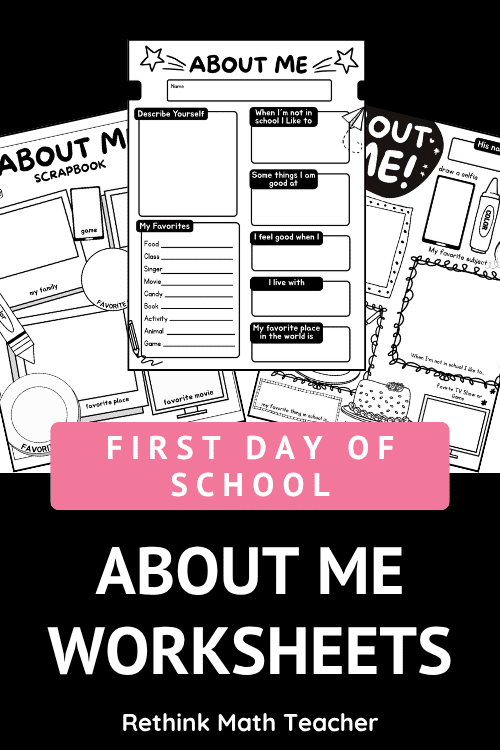
These worksheets go great on the bulletin board or shared with parents at curriculum or meet the teacher night (de, pending on the grade of your class).
I once worked at a school that had messed up their students’ schedules (and masterboard) very badly. Students kept trickling in the entire period. Many would come only to find out they were in the wrong room or in the right room but at the wrong time. It was almost impossible to get anything done. I was really glad I had printed these worksheets and a card game to give the ones in class something to do, that didn’t require me, so that I could deal with the constant issues presenting themselves at the door.
Fun Math Games
I love playing math games on the first day of school.
A fun one you can do with almost any grade is the Four 4’s Challenge
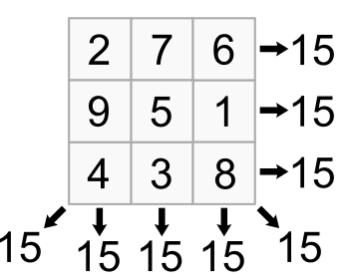
Another game, similar to the Four 4’s challenge is called the Magic Square. Where students are given a 3 by 3 square, and must put one number in each square, using every number one through nine only once. All rows and columns must have the same sum when you add the three numbers.
For a more advanced version, make the two diagonals also have the same sum as the three columns and three rows.
Here are some more fun, mathematical Brain Teasers

Another great game you can do with almost any game, I call the equations dice game. It helps students work on their math facts and also helps them understand equations, which is good for any age. Here’s how to play.
Review Foundational Skills
Another good strategy that I like to implement on Day 1 is to spend some time working on foundational skills.
Because I want to have them doing academic things, working on foundational skills is good for them and something that most of the students should be able to do. And if any student is unable to do the work, it’s a great idea to find out on day 1. That way I can start remediating these students through differentiated instructions right away!
Reviewing foundational skills through academic activities is a great way to have a fantastic first day of school.
Times Tables
In late elementary school and all classes with struggling students, I like to focus on times tables. We work on times tables every day to make sure my students.
I buy tons of index cards and we make our own flash cards each week. Every student makes their own. We review one number for the whole week, with quizzes occurring at least twice a week.
We also play a fun times table, whole class game, which you can hear here.

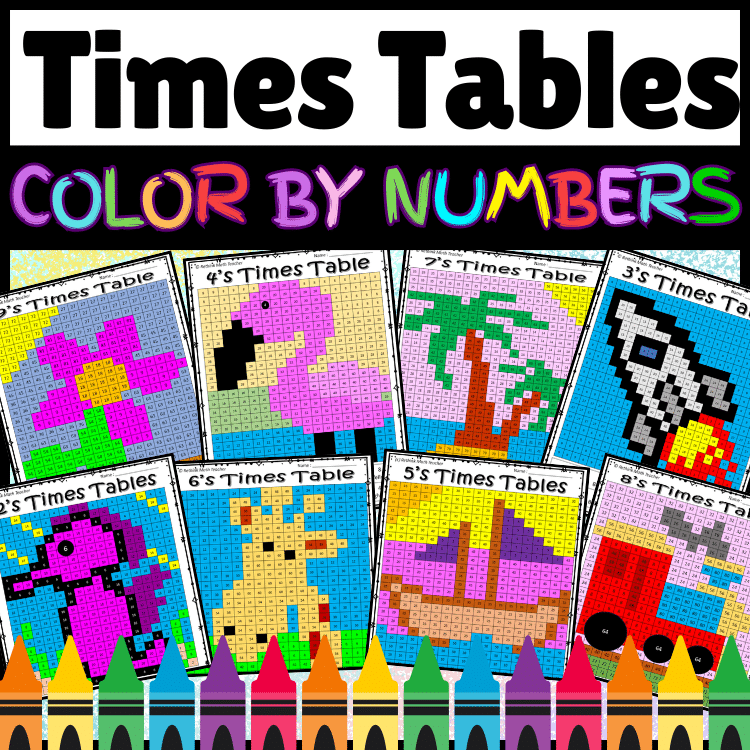
Another good way to review times tables with the whole class is to do a coloring worksheet like this one below, that has them review their facts and still do something creative.
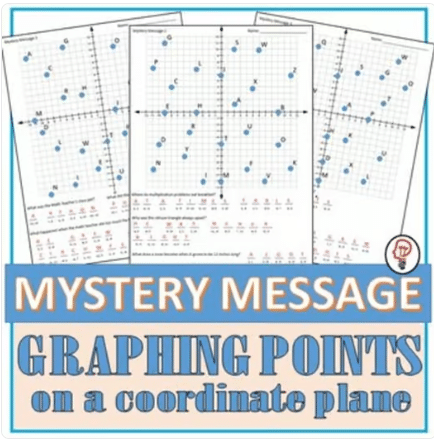
In middle school, one skill I like to focus on is graphing points on a coordinate plane and / or adding integers on the first day. Since these two skills are foundational for almost everything they’ll do this year, it’s important that they master these skills. So I start reviewing them on day 1.
Graphing Points Activities
I like to use these mystery images and mystery messages which are extremely fun.

Adding Integers Activities
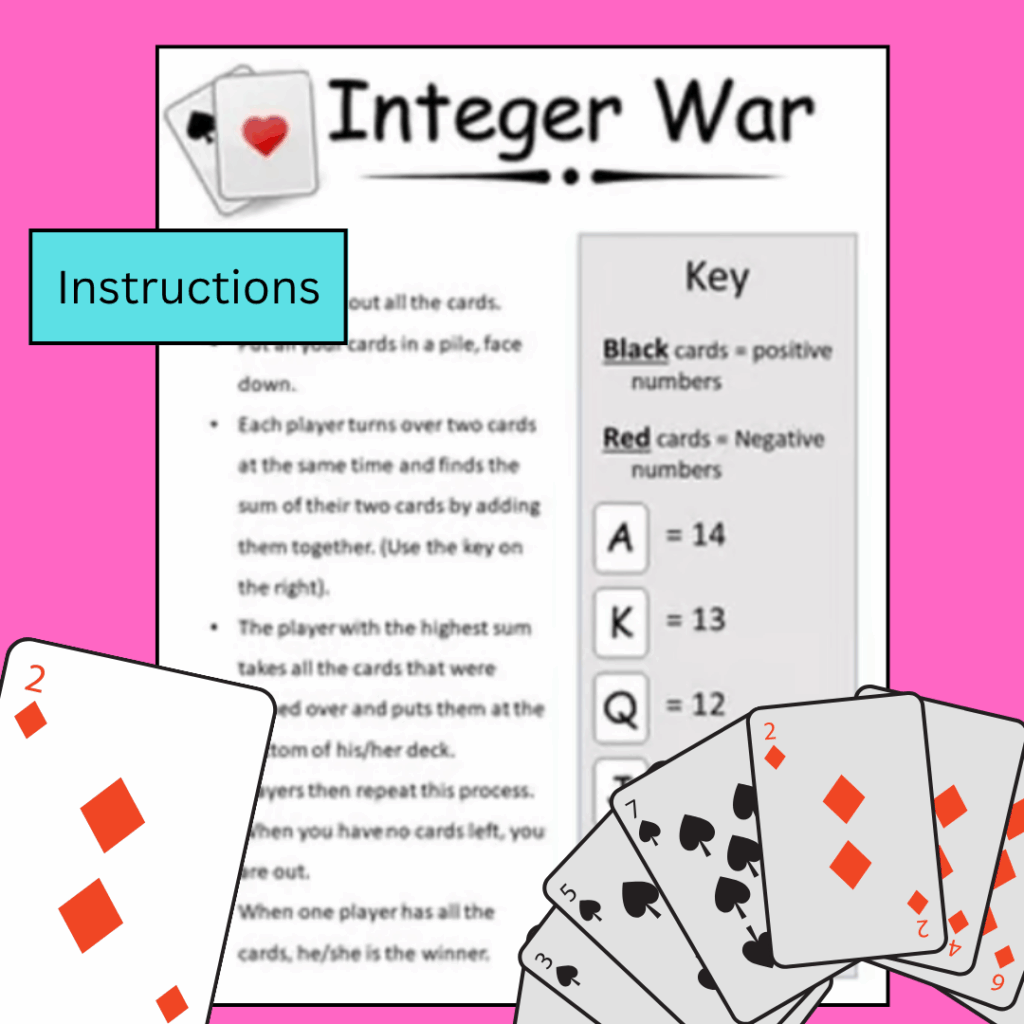
Adding Integers is another foundational skill that lends itself well to games and activities. One I like to play with my students is integer war, where students must combine the values of two cards to play war (instead of flipping one card, they flip two). To help them with the rules, I pass out these papers.
Another fun integers game is integer football, which is basically a number line that students move back and forth on using a spinner. The person wins by advancing the shared marker to their endzone.

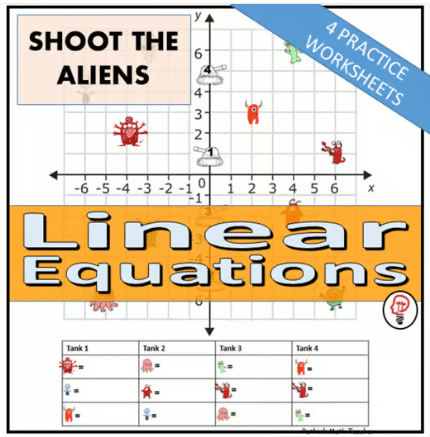
In Pre-Algebra, Algebra, and Geometry, I like to focus on linear equations and right triangles

Turn any Skill into a Game
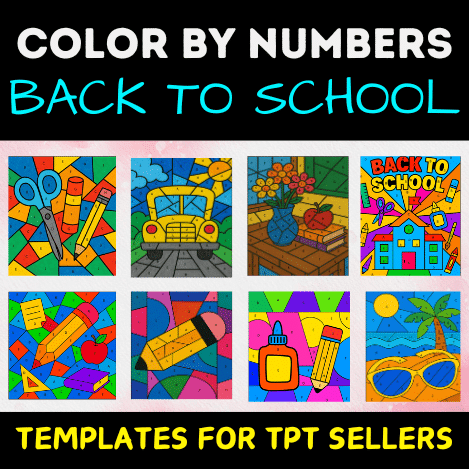
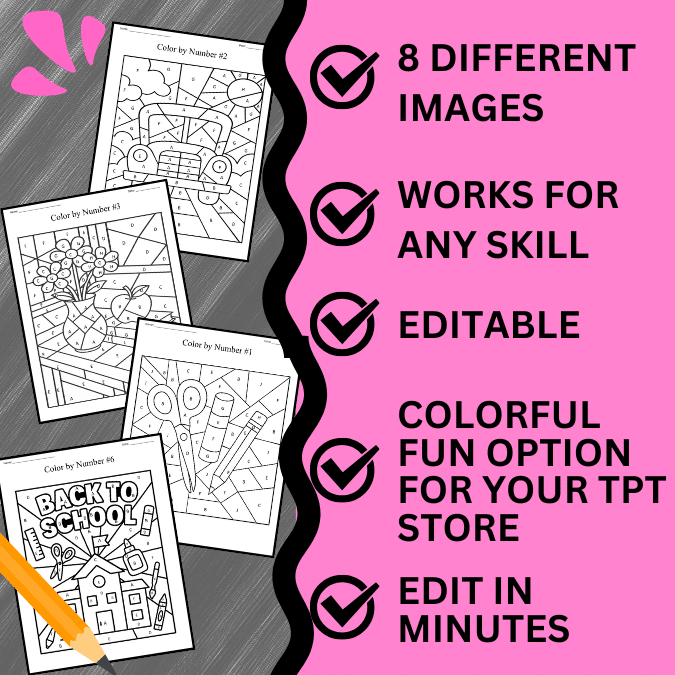
These color by numbers worksheets are easy to edit, and only take minutes to do so. They are Back to School themed. So you can practice any skill, in any grade level.
Establish Routines and Procedures
Early in my teaching career, I struggled greatly with classroom management. One thing that helped me was figuring out my routines and procedures.
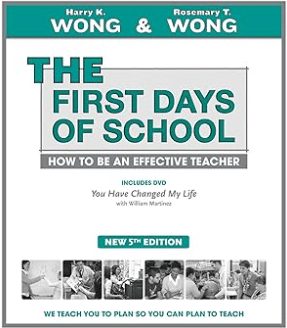
And as Harry Wong taught us in The Frist Days of School, an effective classroom management strategy is to establish these policies on the very first day.
I encourage struggling teachers to think through every routine that happens on a regular basis and write down what they want their procedure to be. How do you want students to enter the room, ask to go to the bathroom, take supplies out of their backpack, pass out papers, clean up to exit the room, and so much more.
If you want help brainstorming, I have this policies and procedures reflection worksheet for teachers to help you brainstorm these matters.
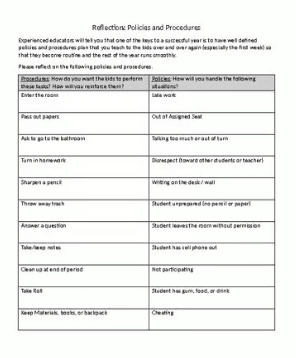
This reflection worksheet (and many more) is included in my book on classroom management.
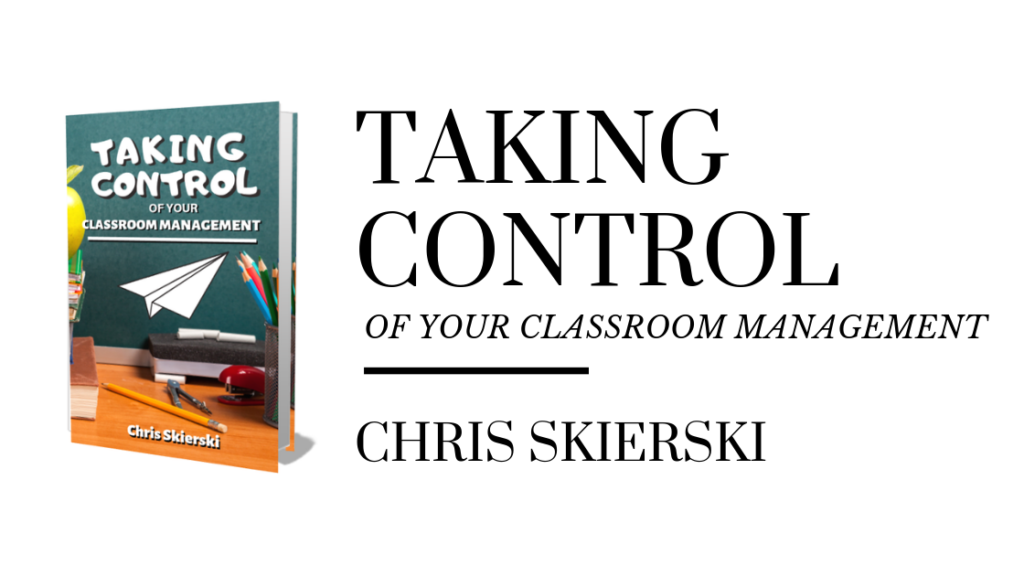
After you’ve thought through your policies and procedures, be sure to think through your intervention system; how you will respond to students not following procedures, and how you will respond when they do a great job.
Finally, dedicate some time to going over your expectations on the very first day of school. Spend some time also going over some of the more common procedures. Be sure to review these procedures every day with your students for at least the first few days of school.
Summary
The first day is crucial to a successful school year. So plan for it.
Three things I recommend you include in your instructional design on your very first day of math class are:
- A ‘get to know your students’ activity
- Do some academic work
- Go over your foundational policies and procedures
Finally, be sure to greet your students warmly and speak positive words of affirmation to them. Let them know they belong to a fantastic school and it’s going to be a great year.

Leave a Reply